Aglio Olio Peperoncino e Prezzemolo
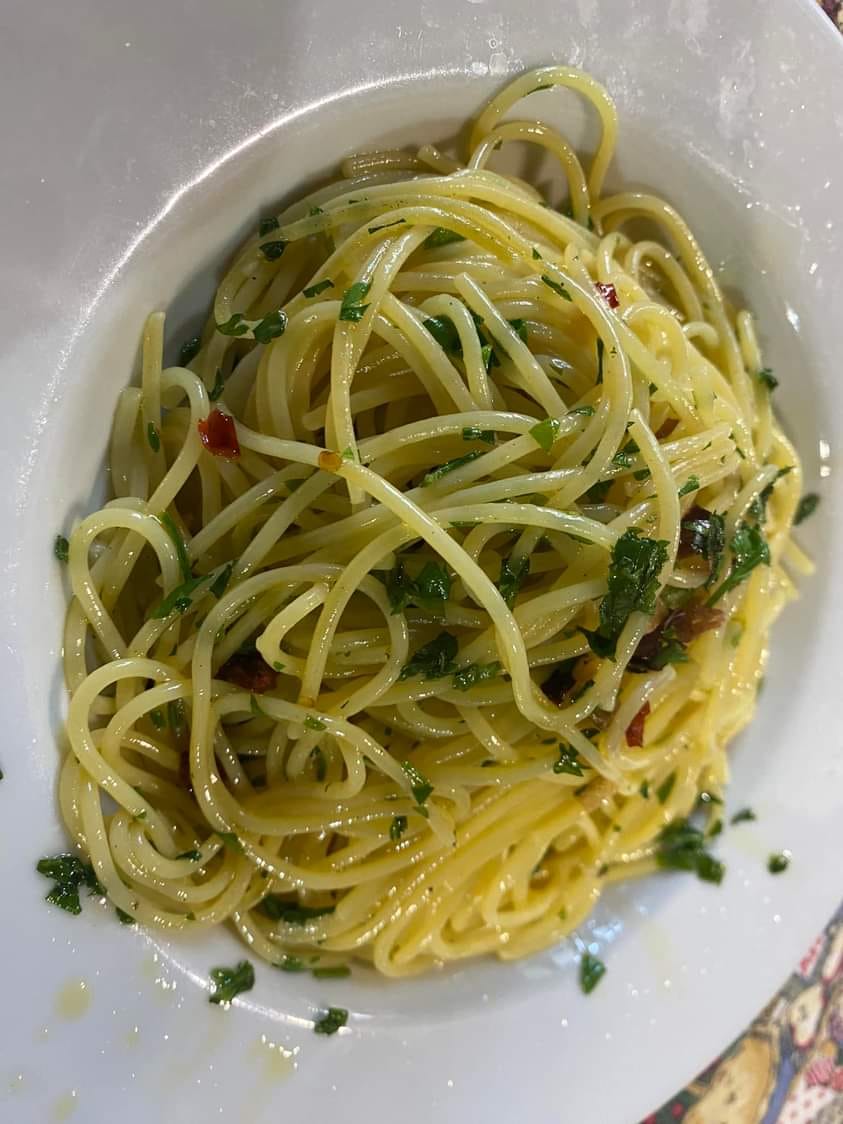
Aglio Olio Peperoncino e Prezzemolo is one of the most beautiful examples of simple Italian cooking. With only spaghetti, garlic, chili pepper, extra virgin olive oil, parsley, and pasta water, this dish proves that deep flavor does not always need many ingredients.
What makes this recipe special is its purity. The garlic slowly perfumes the olive oil, the chili adds gentle heat, the parsley brings freshness, and the starchy pasta water helps create a light, glossy sauce that clings to every strand of spaghetti. It is humble, elegant, fast, and deeply satisfying.
This is the kind of pasta that depends on technique more than complexity. When made carefully, it becomes fragrant, silky, spicy, fresh, and full of character.
Why People Will Love Aglio Olio Peperoncino e Prezzemolo Recipe
It is simple but deeply flavorful: A few basic ingredients create a pasta dish that tastes aromatic, warm, and beautifully balanced.
It feels light yet satisfying: There is no heavy cream or meat, but the olive oil, garlic, pasta, and parsley make it feel complete.
It is quick to make: This dish can be prepared in a short time, making it perfect for busy nights or late dinners.
It celebrates real Italian simplicity: The recipe focuses on quality ingredients and careful technique rather than complicated steps.
The garlic oil is fragrant and comforting: Slowly cooked garlic releases a deep aroma into the olive oil without overpowering the pasta.
The chili gives gentle heat: The dried chili pepper adds warmth and personality without making the dish too heavy.
It is easy to customize: You can make it spicier, more garlicky, more herby, or more delicate depending on your taste.
Key Ingredients
Spaghetti: The classic pasta choice for this recipe. Long strands hold the glossy garlic oil sauce beautifully.
Garlic: The heart of the flavor. When cooked slowly in olive oil, garlic becomes fragrant, mellow, and deeply savory.
Dried chili pepper: Adds warmth, spice, and a subtle smoky heat that balances the richness of the olive oil.
Extra virgin olive oil: The foundation of the sauce. Since this recipe uses very few ingredients, a good olive oil makes a big difference.
Parsley: Adds freshness, color, and a clean herbal finish. The parsley stems can also perfume the oil during cooking.
Pasta cooking water: Helps bind the oil to the pasta and creates a light, silky sauce instead of a greasy finish.
Salt: Essential for seasoning the pasta water and bringing the whole dish together.
Expert Tips
Use good-quality extra virgin olive oil: Since olive oil is one of the main ingredients, its flavor matters.
Cook the garlic over very low heat: Garlic should become fragrant, not brown or burnt. Burnt garlic can make the pasta bitter.
Remove the garlic core if needed: The inner green sprout can taste sharp or bitter, so removing it gives a cleaner flavor.
Salt the pasta water well: The pasta absorbs flavor as it cooks, and this is the main seasoning base for the dish.
Cook the spaghetti al dente: The pasta should still have a slight bite because it will finish cooking in the pan with the sauce.
Use pasta water carefully: Add a little at a time to help the oil and starch form a light sauce.
Finish the pasta in the pan: Tossing the spaghetti with the garlic oil and pasta water helps the sauce cling to every strand.
Add fresh parsley off the heat: This keeps the parsley bright, fresh, and aromatic.
Serve immediately: This pasta is best when hot, glossy, and freshly tossed.
Aglio Olio Peperoncino E Prezzemolo
Ingredients:
200g Spaghetti
2 cloves Garlic
1 Dried chili pepper
Extra virgin olive oil, to taste
Parsley, to taste
Instructions:
Step 1:
Cook the spaghetti in boiling, salted water.
Pour plenty of oil into a pan and add the finely chopped and cored garlic cloves, together with two stalks of parsley.
Step 2:
Add the dried chilli and cook over a very low heat.
Drain the pasta al dente and add it to the pan with the sauce, after removing the parsley stems.
Add a little cooking water if necessary and risotto the pasta for a few minutes.
Step 3:
Stir in the finely chopped parsley and extra virgin olive oil off the heat.
Important Notes When Making Aglio Olio Peperoncino e Prezzemolo
Do not let the garlic burn. This is the most important part of the recipe.
The dish should be glossy and lightly coated, not oily or dry.
The chili amount can be adjusted depending on how spicy you want the pasta.
Fresh parsley should be finely chopped so it spreads evenly through the spaghetti.
If the pasta feels dry, add a splash of reserved pasta water.
If the pasta feels too oily, toss longer with a little pasta water to help emulsify the sauce.
This dish is best eaten right away because the sauce is simple and delicate.
Freshly cooked spaghetti gives the best texture, but leftovers can be reheated gently with a splash of water.
How to Enjoy This Dish After Cooking
Serve Aglio Olio Peperoncino e Prezzemolo immediately after tossing the pasta with the garlic oil, chili, parsley, and a little pasta water. The dish should be hot, fragrant, and lightly glossy.
Use tongs to twirl the spaghetti into warm bowls or plates. Make sure each serving has a little garlic-infused oil, chili, and chopped parsley spread through the pasta.
Before eating, take a moment to smell the aroma of the garlic, olive oil, chili, and parsley. This is a simple dish, but the fragrance is one of its best parts.
Enjoy it on its own as a light but satisfying meal, or serve it with a crisp green salad, roasted vegetables, grilled seafood, or crusty bread. Because the pasta is simple and aromatic, fresh sides work especially well.
For extra flavor, you can finish the dish with a small drizzle of extra virgin olive oil, a little more chopped parsley, or a pinch of crushed chili. Some people also enjoy a squeeze of lemon, though the traditional version is usually kept very simple.
This pasta is best eaten slowly while warm, letting the garlic oil and chili heat coat the spaghetti without overpowering it. The beauty of the dish is in its balance: silky oil, tender pasta, gentle spice, fresh parsley, and clean garlic flavor.
Nutrition Information
Approximate nutrition per serving, based on 2 servings:
Calories: 430 kcal | Total Fat: 17 g | Saturated Fat: 2.5 g | Monounsaturated Fat: 12 g | Polyunsaturated Fat: 1.5 g | Cholesterol: 0 mg | Sodium: 280–480 mg, depending on added salt and pasta water | Total Carbohydrates: 60 g | Dietary Fiber: 3 g | Sugars: 2 g | Protein: 10 g
Frequently Asked Questions:
Can I use any type of pasta for this recipe, or does it have to be spaghetti?
While spaghetti is traditional for Aglio Olio Peperoncino, you can use other types of pasta like linguine or fettuccine if you prefer. Just adjust the cooking time accordingly.
How much extra virgin olive oil should I use?
The amount of olive oil can vary depending on personal preference.
Start with about 3-4 tablespoons and adjust according to taste.
The oil should be enough to coat the pasta and create a flavorful sauce.
Is it okay to use fresh chili peppers instead of dried?
Yes, you can use fresh chili peppers instead of dried ones.
Adjust the quantity according to your desired level of spiciness.
Be sure to remove the seeds if you prefer a milder heat.
Can I add other ingredients to this dish, such as shrimp or vegetables?
Absolutely! Aglio Olio Peperoncino is a versatile dish, and you can customize it with additional ingredients like shrimp, cherry tomatoes, or spinach.
Just be mindful of the cooking times for any additional ingredients you add.
What does “risotto the pasta” mean in Step 2 of the instructions?
“Risotto the pasta” refers to the technique of cooking the pasta in the sauce for a few minutes after it’s been drained.
This allows the pasta to absorb the flavors of the sauce and finish cooking to al dente texture.
Stirring occasionally helps distribute the sauce evenly.
How do I adjust the spiciness of the dish?
The level of spiciness can be adjusted by varying the amount of dried chili pepper used.
You can increase or decrease the quantity of chili flakes based on your preference for heat.
Can I use fresh chili peppers instead of dried?
Yes, you can use fresh chili peppers instead of dried ones.
Adjust the quantity according to your desired level of spiciness.
Remove the seeds for a milder flavor.
How finely should I chop the garlic and parsley?
Finely chop the garlic to ensure it distributes evenly throughout the dish.
Similarly, finely chop the parsley for even flavor distribution.
What does “cooking the pasta al dente” mean?
“Al dente” refers to cooking pasta until it is firm to the bite but not overcooked or mushy.
It should have a slight resistance when bitten.
Can I add additional ingredients to the dish?
Yes, you can customize the dish by adding ingredients like shrimp, cherry tomatoes, or spinach for extra flavor and texture.
Is it necessary to remove the parsley stems before adding to the pan?
Yes, it’s recommended to remove the parsley stems before adding them to the pan to avoid any woody or fibrous texture in the dish.