Homemade Pupusas (Salvadoran Stuffed Flatbreads)
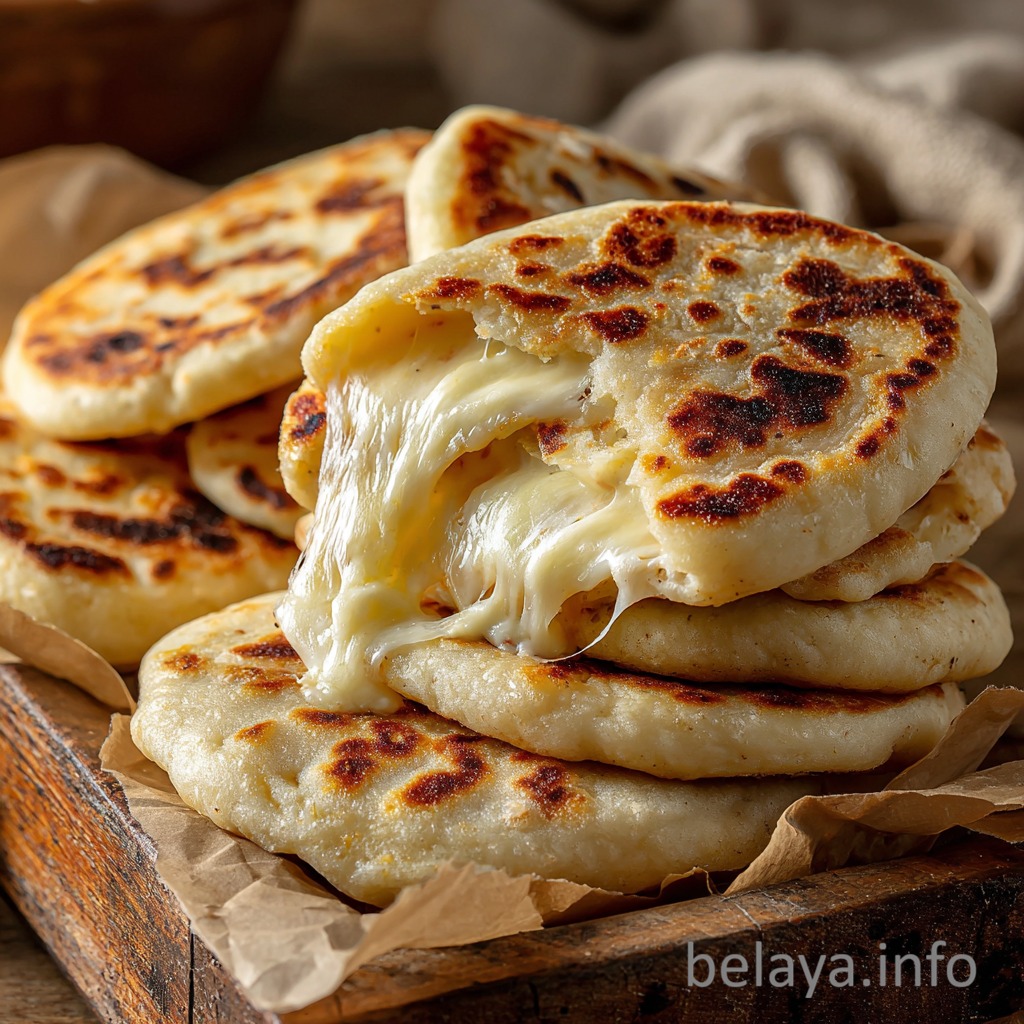
Homemade Pupusas are warm, thick Salvadoran stuffed flatbreads made from soft masa harina dough and filled with melty cheese, refried beans, seasoned pork, or a combination of all three. They are simple in ingredients, but deeply comforting because every bite has a tender corn exterior and a rich, savory filling inside.
This recipe is special because pupusas feel rustic, handmade, and satisfying. The outside becomes lightly golden on the skillet, while the inside stays soft, cheesy, and flavorful. When served hot with curtido and salsa roja, the richness of the filling is balanced by tangy crunch and bright sauce.
Pupusas are perfect for family dinners, weekend cooking, street-food-style meals, or anytime you want something filling, traditional, and full of homemade flavor.
Why People Will Love Homemade Pupusas (Salvadoran Stuffed Flatbreads) Recipe
They are warm, cheesy, and comforting.
The soft masa dough and melted cheese filling make pupusas feel cozy, hearty, and satisfying.
They have a delicious handmade texture.
The outside becomes lightly crisp and golden on the griddle, while the inside stays tender and filled with warm, savory ingredients.
They are simple but deeply flavorful.
Masa harina, salt, water, cheese, beans, and pork are basic ingredients, but together they create a rich and traditional dish.
They are easy to customize.
You can make them with only cheese, cheese and beans, pork and cheese, or all three fillings together.
They are naturally filling.
The masa dough and protein-rich fillings make pupusas satisfying enough for lunch, dinner, or a hearty snack.
They pair beautifully with curtido and salsa roja.
The tangy cabbage slaw and tomato sauce cut through the richness of the cheese and make the dish taste balanced.
They are great for sharing.
Pupusas are perfect for family-style eating because everyone can choose their favorite filling and toppings.
They bring authentic Salvadoran comfort food to the table.
The recipe has a home-cooked, traditional feel that makes it more meaningful than a basic flatbread or quesadilla.
Key Ingredients
Masa Harina
Masa harina is the foundation of pupusas. It creates the soft corn dough that holds the filling. When mixed with warm water, it becomes flexible, smooth, and easy to shape.
Warm Water
Warm water helps hydrate the masa harina and makes the dough soft and workable. Adding it gradually helps you control the texture.
Salt
Salt gives the dough flavor. Without it, the masa can taste flat, even if the filling is flavorful.
Mozzarella or Oaxaca Cheese
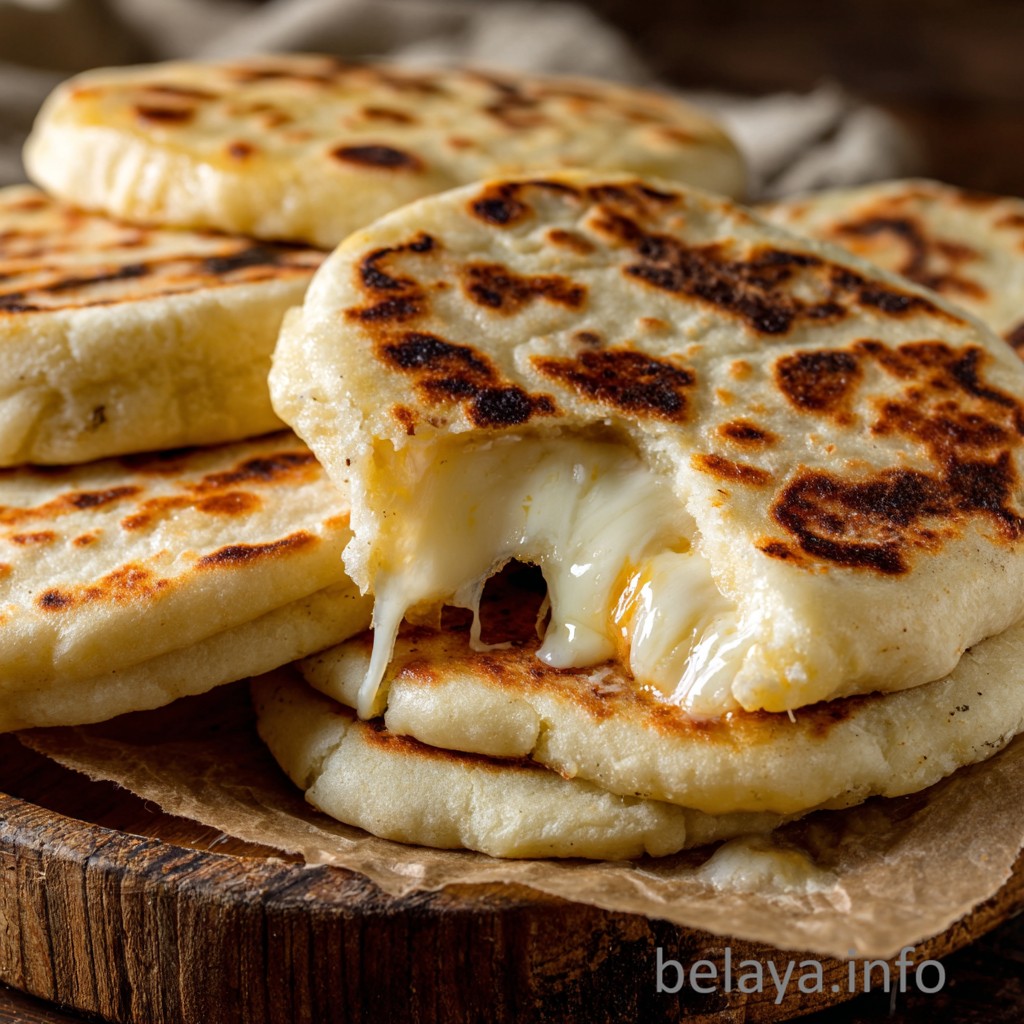
Cheese creates the rich, melty center. Oaxaca cheese gives a more traditional stretchy texture, while mozzarella is easy to find and melts well.
Refried Beans
Refried beans add creaminess, body, and a savory flavor. They also make the pupusas more filling and help balance the cheese.
Chicharrón or Seasoned Ground Pork
Pork adds a deeper, meatier flavor. Chicharrón is traditional in many pupusa recipes, while seasoned ground pork is an easy homemade option.
Vegetable Oil
A small amount of oil helps prevent sticking and helps the pupusas develop golden spots on the skillet or griddle.
Expert Tips
Hydrate the masa dough properly.
The dough should feel soft, moist, and smooth, similar to soft play dough. If it cracks when you press it, add a little more warm water.
Keep the dough covered.
Masa dough dries out quickly. Cover the dough balls with a damp towel while shaping the pupusas.
Do not overfill the pupusas.
Too much filling can cause the dough to break open while flattening or cooking. Start with a small amount until you get comfortable shaping them.
Seal the filling completely.
Pinch the dough closed carefully before flattening. A good seal helps keep the cheese from leaking out.
Flatten gently.
Press the filled dough slowly with your hands. If you press too hard, the filling may burst through the dough.
Use lightly oiled hands.
A little oil or water on your hands helps prevent sticking and makes shaping smoother.
Cook over medium heat.
If the heat is too high, the outside may brown too fast before the inside is heated. Medium heat gives the cheese time to melt.
Look for golden spots.
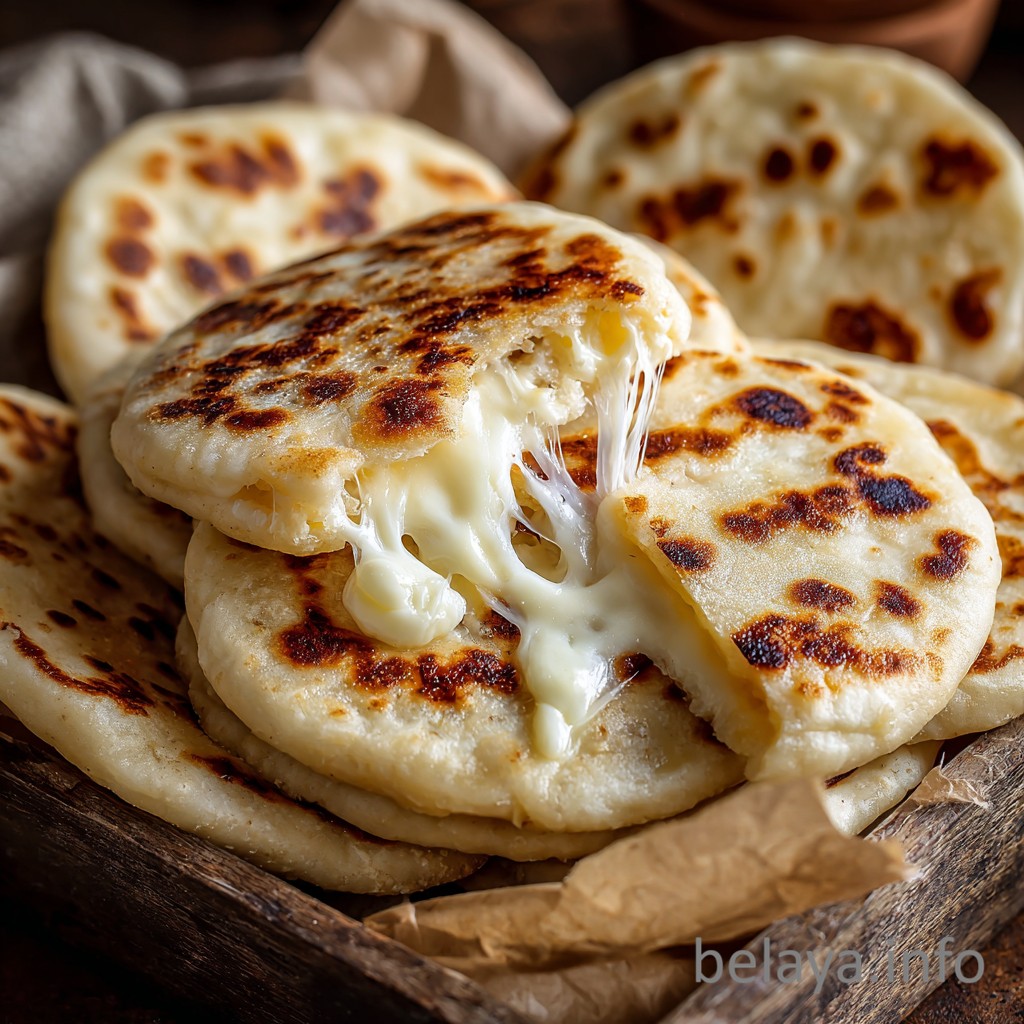
Pupusas should have golden-brown areas and a few darker toasted spots. This gives them their classic griddled flavor.
Serve them right away.
Pupusas taste best hot, when the cheese is melted and the masa is still soft and warm.
Homemade Pupusas (Salvadoran Stuffed Flatbreads)
Ingredients
2 cups masa harina, also known as corn flour, for making the pupusa dough
1 1/2 cups warm water, added gradually to form a soft dough
1/2 teaspoon salt, to season the dough
1 1/2 cups shredded mozzarella or Oaxaca cheese, for a melty filling
1/2 cup refried beans, optional, for a creamy and hearty filling
1/2 cup cooked chicharrón or seasoned ground pork, optional, for a savory meat filling
Vegetable oil, as needed, for lightly greasing the skillet or griddle
Instructions:
In a large bowl, combine the masa harina and salt.
Slowly pour in the warm water while mixing with your hands or a spoon.
Knead the mixture until a soft, smooth dough forms. The dough should feel moist and flexible, but not sticky.
Divide the dough into 8 equal portions and roll each portion into a ball.
Keep the dough balls covered with a damp towel so they do not dry out while you work.
Take one dough ball and gently flatten it into a thick round disc.
Place a small amount of shredded cheese in the center. Add refried beans or seasoned pork if using.
Carefully fold the dough around the filling and pinch it closed so the filling is fully sealed inside.
Gently press the filled dough ball into a thick, flat round shape, being careful not to let the filling break through.
Heat a skillet or griddle over medium heat and lightly brush it with vegetable oil.
Place the pupusa on the hot skillet and cook for 3–4 minutes on one side.
Flip and cook the other side for another 3–4 minutes, until both sides are golden with lightly charred spots and the cheese inside is melted.
Repeat the same process with the remaining dough balls and filling.
Serve the pupusas hot with curtido and salsa roja for the best flavor.
Important Notes When Making Homemade Pupusas (Salvadoran Stuffed Flatbreads)
The dough texture is very important.
If the dough is too dry, it will crack. If it is too wet, it will be sticky and hard to shape. Adjust with small amounts of water or masa harina as needed.
Some cheese leakage is normal.
A little melted cheese escaping onto the skillet is not a problem. It can even create crispy, flavorful edges.
Pupusas are traditionally thick.
They should not be rolled paper-thin. A thicker shape helps hold the filling and keeps the inside soft.
The filling should not be too watery.
Refried beans and pork should be thick enough to stay inside the dough. Wet filling can make the pupusas break.
A cast iron skillet or griddle works very well.
It holds steady heat and helps create the golden toasted surface.
Serve with acidic toppings.
Curtido and salsa roja are important because they balance the richness of the cheese and pork.
Cooked pupusas can be reheated.
Reheat them on a skillet for the best texture. Microwaving works, but the outside will be softer.
How to Enjoy This Dish After Cooking
After the pupusas are cooked, serve them while they are still hot from the skillet. This is when the masa is soft and warm, the outside has golden toasted spots, and the cheese inside is melted and stretchy.
Place the pupusas on a plate and serve them with curtido, the traditional Salvadoran pickled cabbage slaw. The tangy crunch of curtido balances the rich cheese, beans, and pork beautifully. Add salsa roja on the side or spoon it over the top for extra brightness and flavor.
To eat pupusas in a classic way, tear off a piece by hand or cut into them with a fork. Add a little curtido and salsa to each bite. The best bite has warm masa, melted cheese, savory filling, crunchy slaw, and a touch of sauce.
Pupusas can be enjoyed as a main dish, snack, or appetizer. For a full meal, serve them with extra curtido, salsa roja, avocado slices, black beans, rice, or a simple fresh salad.
If serving for guests, keep cooked pupusas warm in a low oven while finishing the rest. Arrange them on a platter with bowls of curtido and salsa so everyone can build their own plate.
Leftover pupusas should be stored in an airtight container in the refrigerator. Reheat them on a dry or lightly oiled skillet over medium-low heat until warmed through. This helps bring back the toasted outside better than a microwave.
Nutrition Information
Approximate per pupusa, based on 8 pupusas with cheese only
Calories: 245 kcal | Total Fat: 10 g | Saturated Fat: 4.5 g | Monounsaturated Fat: 3 g | Polyunsaturated Fat: 1.2 g | Cholesterol: 22 mg | Sodium: 260–390 mg depending on cheese, salt, and fillings | Total Carbohydrates: 30 g | Dietary Fiber: 3 g | Sugars: 1 g | Protein: 9 g
Note: If refried beans and pork are added, calories, fat, sodium, and protein will increase depending on the amount used.
Frequently Asked Questions:
What do pupusas taste like?
Pupusas taste warm, savory, and comforting. The masa has a soft corn flavor, while the filling can be cheesy, creamy, meaty, or rich depending on what you add inside.
Are pupusas the same as tortillas?
No. Pupusas are thicker than tortillas and are stuffed before cooking. Tortillas are usually thin and cooked plain, while pupusas have a filling sealed inside.
What is the best filling for pupusas?
Cheese is the most popular and easiest filling. Cheese with refried beans is creamy and hearty, while cheese with pork gives a richer, more traditional flavor.
What should I serve with pupusas?
Pupusas are best served with curtido and salsa roja. You can also serve them with avocado, beans, rice, or a simple salad.
Can I make pupusas ahead of time?
Yes. You can shape them ahead and keep them covered in the refrigerator for a short time before cooking. They are best cooked fresh, but leftovers can also be reheated on a skillet.
Why is my masa dough cracking?
The dough is probably too dry. Add warm water a tablespoon at a time and knead until the dough feels soft, smooth, and flexible.
Why is my dough too sticky?
The dough may have too much water. Add a small amount of masa harina and knead again until it becomes easier to handle.
How do I stop the filling from leaking out?
Use less filling, seal the dough completely, and flatten the pupusa gently. Also make sure the filling is not too wet.
How do I know when pupusas are fully cooked?
They are done when both sides have golden-brown spots and the outside feels slightly firm. The cheese inside should be melted and hot.
Can I cook pupusas without oil?
Yes, you can cook them on a dry nonstick skillet or cast iron griddle, but a light brushing of oil helps prevent sticking and gives a more golden surface.