Dark Chocolate Orange Biscotti
Dark Chocolate Orange Biscotti is a beautifully balanced treat that brings together deep, rich chocolate and bright citrus in every crisp bite. The aroma alone—warm orange zest mingling with toasted nuts and cocoa—feels comforting yet refined, like something you’d find in a cozy Italian café.
What makes biscotti special is its texture and purpose. Baked twice for that signature crunch, it’s designed to be enjoyed slowly—dipped into coffee, tea, or even a glass of milk—softening just enough while still holding its structure. The contrast between the crisp cookie, the smooth chocolate coating, and the subtle citrus notes creates a layered experience that feels both indulgent and elegant.
This recipe turns simple pantry ingredients into something timeless and sophisticated—a treat that’s not just eaten, but savored.
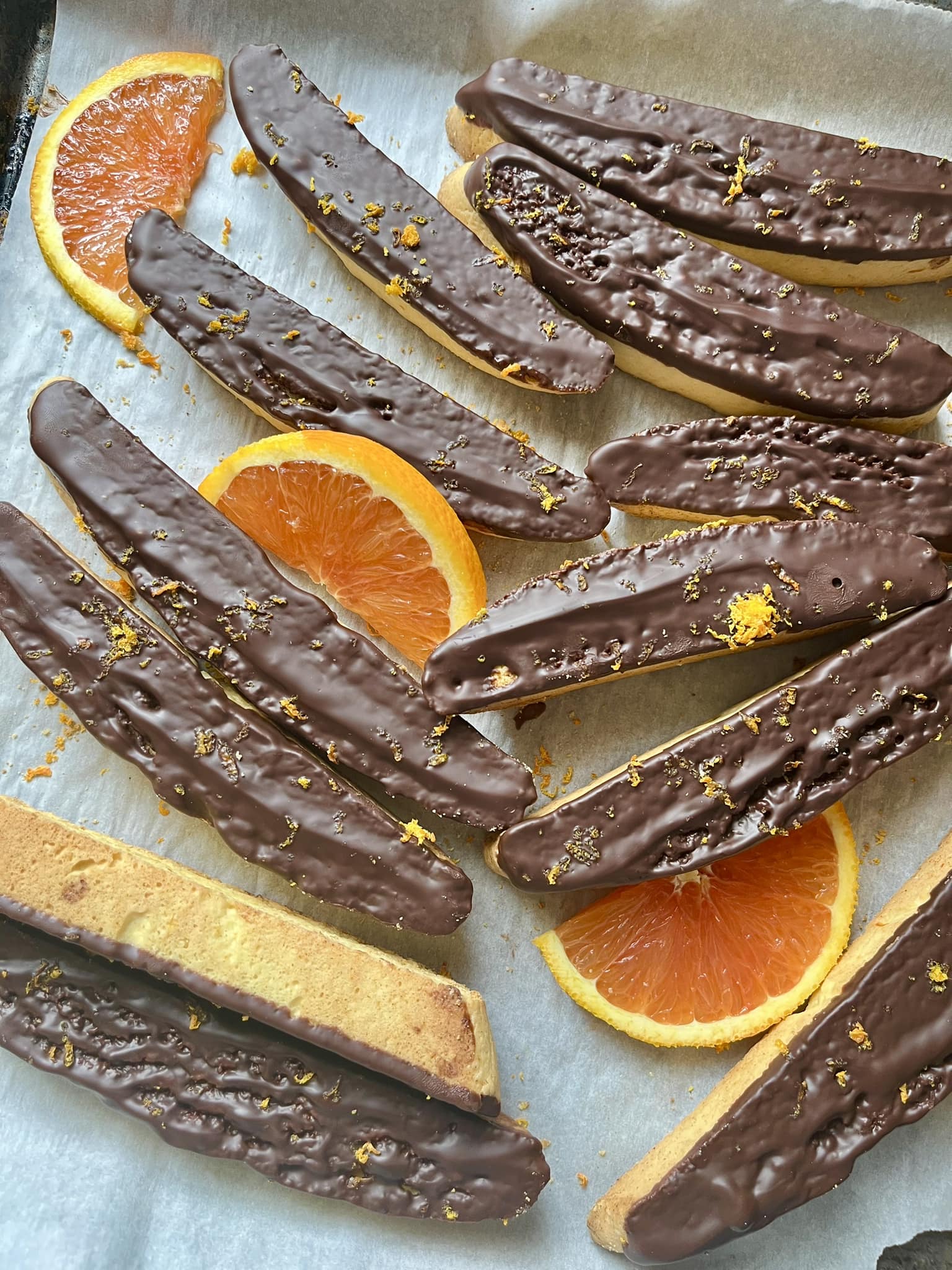
Why People Will Love Dark Chocolate Orange Biscotti Recipe
Perfect Balance of Rich and Bright Flavors
The deep, slightly bitter notes of dark chocolate are beautifully lifted by the fresh, citrusy aroma of orange zest. This contrast creates a sophisticated flavor profile that feels both indulgent and refreshing.
Signature Crunch with a Purpose
Unlike soft cookies, biscotti are intentionally crisp and sturdy. Their texture is designed for dipping, allowing them to soften slightly in coffee or tea while still holding their shape—creating a unique and satisfying eating experience.
Layered Texture in Every Bite
You get a combination of crunchy edges, a slightly tender center (when fresh), smooth chocolate coating, and the subtle bite of toasted walnuts. This multi-texture experience keeps each bite interesting and enjoyable.
Not Overly Sweet—More Refined Taste
This recipe leans toward a balanced sweetness rather than being sugary. The dark chocolate and citrus notes prevent it from feeling heavy, making it appealing even to those who prefer less sweet desserts.
Perfect for Coffee and Tea Pairing
Biscotti naturally complement hot beverages. When dipped, they absorb just enough liquid to enhance their flavor while maintaining structure—making them ideal for slow, relaxing moments.
Long Shelf Life Compared to Other Baked Goods
Because of the double baking process, biscotti stay fresh longer than typical cookies. This makes them great for make-ahead treats, gifting, or keeping on hand for everyday enjoyment.
Elegant Yet Simple to Make
Despite their bakery-quality appearance, biscotti are made with simple ingredients and straightforward steps. The result feels artisanal without requiring complicated techniques.
Customizable to Personal Taste
You can easily adjust the type of chocolate, nuts, or citrus intensity. This flexibility allows you to tailor the recipe while still maintaining its classic character.
Visually Appealing and Gift-Worthy
The golden slices dipped in glossy chocolate with flecks of orange zest create a beautiful presentation—perfect for sharing, gifting, or serving at gatherings.
Encourages Slow, Mindful Enjoyment
Biscotti aren’t meant to be rushed. Their texture and pairing with drinks invite you to slow down, savor each bite, and turn a simple snack into a small, comforting ritual.
Key Ingredients
All-Purpose Flour (The Structural Foundation)
Flour gives biscotti their signature firm, sliceable structure. Unlike soft cookies, biscotti dough is intentionally dense so it can hold its shape during the first bake and remain sturdy through the second bake.
Brown Sugar (Depth and Moisture Balance)
Brown sugar adds a subtle caramel-like richness thanks to its molasses content. It also helps keep the interior slightly tender after baking, preventing the biscotti from becoming overly dry.
Orange Zest (The Bright Signature Flavor)
Orange zest is what makes this recipe stand out. It delivers concentrated citrus oils that infuse the dough with a fresh, aromatic brightness, perfectly balancing the richness of chocolate.
Unsalted Butter (Controlled Richness)
A small amount of butter adds flavor and a slight tenderness without making the biscotti soft. Using it cold and cutting it into the flour helps create a crumbly base that bakes into a crisp texture.
Eggs (Binding and Structure)
Eggs bring everything together, giving the dough stability and helping it rise slightly. They also contribute to the golden color and firm texture needed for clean slicing after the first bake.
Fresh Orange Juice (Subtle Citrus Moisture)
Orange juice enhances the citrus flavor while adding just enough liquid to help form the dough. It complements the zest and ensures the flavor runs throughout the biscotti, not just on the surface.
Walnuts (Crunch and Nutty Depth)
Walnuts introduce a natural, earthy crunch that contrasts beautifully with the crisp cookie and smooth chocolate. Their slightly bitter edge also balances the sweetness.
Dark Chocolate (Rich Finishing Element)
The semi-sweet or bittersweet chocolate coating adds a luxurious finish. Its deep cocoa flavor contrasts with the citrus notes and creates that classic chocolate-orange pairing.
Vanilla Extract (Flavor Enhancer)
Vanilla acts as a background note that ties all the flavors together. It softens sharp edges and rounds out both the chocolate and citrus components.
Oil (Moisture and Flexibility)
A small amount of oil keeps the dough workable and prevents it from becoming too dry, especially important for achieving the right texture before baking.
Baking Powder (Light Lift)
While biscotti are dense, a touch of baking powder provides just enough lift to keep them from being too hard or compact.
Cinnamon (Subtle Warmth)
Cinnamon adds a gentle warmth that complements both the orange and chocolate, giving the biscotti a more complex and cozy flavor profile.
Expert Tips:
Measure Flour Correctly (Prevents Dry Biscotti)
Always spoon and level your flour instead of scooping directly from the bag. Too much flour will make the biscotti dense and overly hard instead of crisp and pleasant.
Keep Butter Cold for Proper Texture
Using cold, cubed butter and cutting it into the dry ingredients creates a crumbly base. This step is key to achieving that classic biscotti texture—firm but not tough.
Don’t Overmix the Dough
Once the wet and dry ingredients come together, mix just until combined. Overmixing develops too much gluten, which can make the biscotti hard and less delicate.
Shape the Dough Evenly
Keep both logs the same size and thickness so they bake uniformly. Uneven shaping can lead to some pieces overbaking while others remain too soft.
Use Egg Wash for a Golden Finish
Brushing the logs with egg wash before baking helps create a beautiful golden crust and a slightly glossy exterior.
Let the Logs Cool Before Slicing
After the first bake, allow the biscotti logs to cool for about 10 minutes. Cutting too soon can cause crumbling, while waiting too long makes slicing harder.
Use a Sharp Serrated Knife for Clean Cuts
A serrated knife (like a bread knife) works best for slicing biscotti without breaking them. Cut gently in a sawing motion rather than pressing down.
Control the Second Bake Carefully
The second bake determines the final crunch. Bake just until the edges are crisp—overbaking can make them too hard, while underbaking leaves them soft.
Cool Completely for Proper Crunch
Biscotti firm up as they cool. Don’t judge their texture straight out of the oven—give them time to reach their final crispness.
Melt Chocolate Slowly and Gently
When melting chocolate, use short intervals and stir often. Overheating can cause it to seize or become grainy.
Dip Once, Then Let Set Undisturbed
After dipping in chocolate, place biscotti on a lined surface and avoid moving them too much. This helps the chocolate set smoothly and evenly.
Enhance Flavor with Extra Orange Zest
For a stronger citrus aroma, sprinkle a little fresh orange zest over the chocolate before it sets—this adds a fresh, vibrant finish.
Store in a Dry Environment
Keep biscotti in an airtight container in a cool, dry place. Moisture will soften them and take away their signature crunch.
Dark Chocolate Orange Biscotti
Ingredients
2⅓ cups (291 g) all-purpose flour, properly measured (spooned and leveled), plus extra for dusting
1 cup (200 g) packed brown sugar (light or dark)
1 teaspoon baking powder
½ teaspoon ground cinnamon
½ teaspoon salt
Zest of 1 orange (about 2 slightly heaping tablespoons)
¼ cup (56 g) unsalted butter, cold and cut into small cubes
¾ cup (95 g) walnuts, roughly chopped
3 large eggs
2 tablespoons (30 ml) freshly squeezed orange juice
1 tablespoon (15 ml) neutral oil (such as canola or vegetable oil, or melted coconut oil)
1 teaspoon pure vanilla extract
Egg wash: 1 large egg mixed with 1 tablespoon (15 ml) milk or water
8 ounces (226 g) semi-sweet or bittersweet chocolate, coarsely chopped
Instructions
Preheat and Prepare Baking Sheets
Preheat your oven to 350°F (177°C). Line two large baking sheets with parchment paper or silicone mats, then set aside.
Mix the Dry Ingredients
In a large bowl, whisk together the flour, brown sugar, baking powder, cinnamon, salt, and orange zest until well combined.
Cut in the Butter
Add the cold, cubed butter. Use a pastry cutter or two forks to blend it into the dry mixture until it resembles coarse crumbs. Stir in the chopped walnuts.
Combine the Wet Ingredients
In a separate bowl, whisk together the eggs, orange juice, oil, and vanilla extract until smooth.
Form the Dough
Pour the wet mixture into the dry ingredients. Gently mix until a soft dough forms and everything is just combined—avoid overmixing.
Knead and Shape the Dough
Transfer the dough to a lightly floured surface. With floured hands, knead gently about 8–10 times until smooth but slightly sticky. If too sticky, add a little more flour. Divide the dough into two equal portions and place them on the prepared baking sheets.
Shape into Logs
Shape each portion into a rectangle about 8×4 inches and roughly ½ inch thick. Brush the tops and sides lightly with egg wash.
First Bake
Bake for 25–26 minutes, or until the tops and edges are lightly golden. Remove from the oven but keep the oven on. Let the baked logs cool for about 10 minutes.
Slice the Biscotti
Once cool enough to handle, cut each log into 1-inch thick slices. Stand the slices upright on the baking sheets, spacing them slightly apart.
Second Bake (For Crisp Texture)
Return to the oven and bake for 8 minutes. Flip each piece over and bake for another 8 minutes until crisp on the edges but slightly soft in the center.
Cool Completely
Remove from the oven and let the biscotti cool on the baking sheets for 5 minutes, then transfer to a wire rack. They will continue to harden as they cool.
Melt the Chocolate
Melt the chopped chocolate using a double boiler or microwave in short 15-second intervals, stirring between each until smooth.
Dip and Set
Dip each biscotti into the melted chocolate and place back on the baking sheets. Optionally sprinkle with extra orange zest. Let the chocolate set at room temperature or refrigerate until firm.
Store Properly
Keep biscotti in an airtight container at room temperature or in the refrigerator for up to 1–2 weeks.
Important Notes When Making Dark Chocolate Orange Biscotti Recipe:
Biscotti Texture Is Meant to Be Dry and Crisp
Unlike soft cookies, biscotti are intentionally firm and crunchy. This is not a flaw—it’s what allows them to hold up when dipped into coffee or tea without falling apart.
Double Baking Is Essential, Not Optional
The first bake sets the structure, while the second bake removes moisture and creates the signature crunch. Skipping or shortening the second bake will result in soft, cake-like cookies instead of true biscotti.
Dough Will Feel Slightly Sticky—That’s Normal
Biscotti dough is not meant to be dry or stiff. A slightly sticky texture ensures the final product isn’t overly hard. Adding too much flour to “fix” stickiness can negatively affect the texture.
Cooling Time Affects Slicing Quality
If you slice too early, the biscotti may crumble. If you wait too long, they become too firm to cut cleanly. The ideal window is when they are warm but manageable.
Chocolate Should Be Added After Full Cooling
If the biscotti are still warm, the chocolate will melt unevenly and won’t set properly. Always let them cool completely before dipping.
Flavor Deepens Over Time
The orange zest, chocolate, and spices continue to develop after baking. In many cases, biscotti taste even better the next day as the flavors settle and blend.
Thickness Determines Final Texture
Thicker slices will be slightly softer inside, while thinner slices will be crunchier throughout. You can adjust thickness depending on your preferred texture.
Moisture Is the Biggest Enemy of Crispness
Exposure to air humidity or improper storage can soften biscotti quickly. Always store in an airtight container to maintain their crunch.
Walnuts Can Be Toasted for Extra Flavor
Lightly toasting the walnuts before adding them enhances their nutty depth and gives a richer overall taste to the biscotti.
Orange Zest Quality Matters More Than Juice
The zest carries the essential oils that define the citrus flavor. Fresh, finely grated zest will give a much stronger and cleaner aroma than bottled substitutes.
Chocolate Choice Changes the Entire Profile
Using bittersweet chocolate creates a more refined, less sweet result, while semi-sweet chocolate makes it more approachable and dessert-like. Choose based on your preference.
Biscotti Are Designed for Longevity
One of their biggest advantages is shelf life. When stored properly, they stay fresh for days or even weeks, making them ideal for prepping ahead or gifting.
How to Enjoy This Dark Chocolate Orange Biscotti After Cooking
Let Them Cool Completely First
Biscotti reach their final crisp texture only after fully cooling. Give them time to firm up—this is when their signature crunch truly develops.
Pair with a Hot Beverage (The Classic Way)
Biscotti are traditionally enjoyed with coffee, espresso, or tea. Dip them briefly into your drink to slightly soften the texture while enhancing the chocolate and orange flavors.
Dip, Don’t Soak
A quick dip (1–2 seconds) is enough. Soaking too long can make them fall apart. The goal is a perfect balance—crisp outside with a slightly softened bite.
Enjoy the Flavor Layers Slowly
Take time to notice the different elements: the crunch of the biscotti, the richness of the chocolate, the citrus aroma from the orange zest, and the nutty bite of walnuts.
Serve as a Light Dessert or Afternoon Treat
These biscotti are perfect for after meals or as a mid-day break. They’re satisfying without being overly heavy.
Create a Coffeehouse Experience at Home
Arrange biscotti on a plate with a warm drink and enjoy a relaxed, café-style moment. It’s a simple way to turn a snack into a small ritual.
Pair with Different Drinks for Variety
Try them with espresso for intensity, cappuccino for creaminess, tea for lightness, or even hot chocolate for a richer pairing.
Enhance Presentation for Guests
Serve on a platter with extra chocolate drizzle or a sprinkle of fresh orange zest. Their elegant look makes them great for entertaining.
Store and Enjoy Over Time
Keep biscotti in an airtight container and enjoy them over several days. Their flavor often deepens, making them just as enjoyable later.
Warm Slightly for a Fresh-Baked Feel (Optional)
If desired, warm them briefly in the oven for a few minutes to refresh their aroma and bring out the chocolate’s richness.
Use as a Gift or Shareable Treat
Package them in jars or boxes for a thoughtful homemade gift—they travel well and maintain their texture.
Turn It into a Daily Comfort Ritual
Enjoying biscotti with your favorite drink can become a calming daily habit—simple, comforting, and satisfying.
Nutrition Information
(Approximate per biscotti)
Calories: 160–190 kcal | Total Fat: 7–9 g | Saturated Fat: 3–4 g | Monounsaturated Fat: 2–3 g | Polyunsaturated Fat: 1–2 g | Cholesterol: 35–45 mg | Sodium: 80–120 mg | Total Carbohydrates: 22–26 g | Dietary Fiber: 1–2 g | Sugars: 10–14 g | Protein: 3–4 g
Frequently Asked Questions:
Why are biscotti baked twice?
Biscotti are baked twice to achieve their signature dry, crunchy texture. The first bake sets the structure, while the second bake removes excess moisture, making them perfect for dipping without falling apart.
Can I make biscotti without nuts?
Yes, you can easily omit the walnuts if you prefer or have allergies. You can also replace them with chocolate chips or dried fruits for a different texture and flavor.
What type of chocolate works best for dipping?
Semi-sweet or bittersweet chocolate works best because it balances the sweetness of the biscotti. Darker chocolate gives a more refined, less sweet finish.
How do I know when biscotti are done baking?
After the second bake, the edges should feel firm and dry, while the centers may still feel slightly soft. They will continue to harden as they cool.
Can I freeze biscotti?
Yes, biscotti freeze very well. Store them in an airtight container or freezer bag for up to 2–3 months. Thaw at room temperature before serving, and they will retain their texture and flavor.
Why did my biscotti spread too much during the first bake?
This usually happens if the dough is too soft or warm. Make sure the butter is cold when mixing, and if needed, chill the dough for 15–20 minutes before shaping to help it hold its form.
Why are my biscotti too hard or dry?
Overbaking or adding too much flour can make biscotti overly hard. Measure flour carefully and avoid extending the second bake longer than needed—remember, they will continue to firm up as they cool.
Why did my biscotti crumble when slicing?
Cutting too early or too late can cause this. Let the logs cool for about 10 minutes—warm but not hot—then use a sharp serrated knife and a gentle sawing motion for clean slices.
How do I get evenly baked biscotti on both sides?
During the second bake, stand the slices upright and space them slightly apart. Flip them halfway through baking to ensure both sides dry out and crisp evenly.
Why did my chocolate coating turn grainy or thick?
Chocolate can seize if overheated or exposed to moisture. Melt it slowly in short intervals, stirring often, and make sure all utensils are completely dry for a smooth, glossy finish.