Pasta alla Gricia
Pasta alla Gricia is one of Rome’s most elemental and soulful pasta dishes, rooted in tradition and built on just a handful of powerful ingredients.
Often considered the ancestor of carbonara and amatriciana, it relies on the rich, rendered fat of guanciale, sharp Pecorino Romano, and fragrant black pepper to create a sauce that is both simple and profound.
With no tomatoes and no eggs, this dish showcases the beauty of restraint—where technique, balance, and quality ingredients transform simplicity into pure Roman comfort.
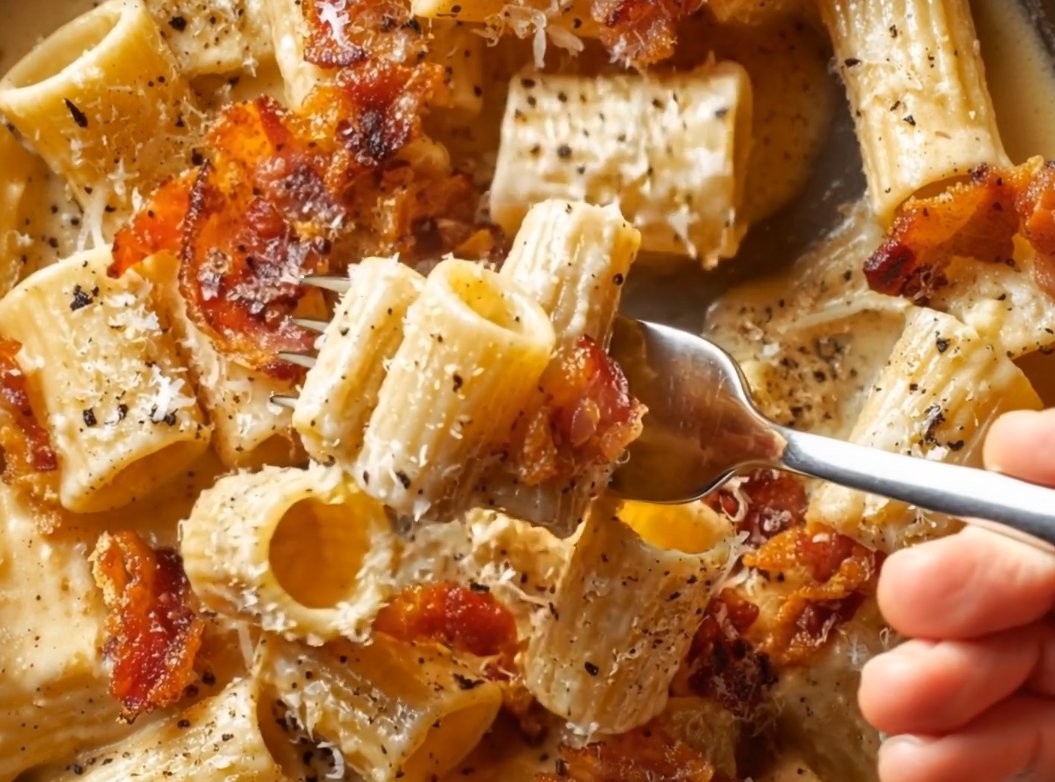
Why People Will Love This Pasta alla Gricia Recipe:
Pure expression of Roman tradition – This dish captures the soul of classic Roman cooking, where a few humble ingredients create extraordinary depth through technique and balance.
Incredibly rich flavor from simplicity – Rendered guanciale fat, sharp Pecorino Romano, and black pepper combine to form a sauce that is bold, savory, and deeply satisfying without excess.
Perfect texture contrast – Crispy guanciale, creamy cheese sauce, and al dente pasta deliver a harmonious bite every time.
No cream, no eggs—just technique – The silky sauce comes entirely from emulsification, making it feel luxurious while staying authentic.
Comforting yet refined – It’s hearty and indulgent, but also elegant and restrained, appealing to both home cooks and serious food lovers.
A masterclass in Italian pasta technique – This recipe teaches timing, emulsification, and heat control—skills that elevate any pasta dish.
Deeply satisfying for cheese lovers – Pecorino Romano brings intense umami and saltiness that lingers beautifully on the palate.
Timeless and unforgettable – Once tasted, this dish leaves a lasting impression, proving that true flavor doesn’t need complexity.
Key Ingredients:
Guanciale (Pork Jowl) – The soul of the dish. As it renders, guanciale releases a rich, silky fat that becomes the foundation of the sauce, delivering deep pork flavor and a delicate crispness.
Pecorino Romano – Sharp, salty, and intensely savory, this aged sheep’s milk cheese provides umami depth and structure, transforming pasta water into a creamy, emulsified sauce.
Mezze Maniche Pasta – Thick, ridged tubes designed to trap sauce and rendered fat, ensuring every bite is coated with flavor and texture.
Freshly Cracked Black Pepper – More than seasoning, it adds warmth, fragrance, and subtle heat that balances the richness of the guanciale and cheese.
Pasta Water – Starchy and essential, it binds fat and cheese together, creating the signature glossy sauce without cream or eggs.
Coarse Rock Salt – Used generously to season the pasta water, enhancing the flavor of the pasta from the inside out.
Expert Tips:
Use real guanciale whenever possible – Its fat composition and flavor are essential to the authentic sauce; pancetta or bacon will change the character of the dish.
Render the guanciale slowly – Cook it over medium heat so the fat melts gently and the meat turns crisp without burning, creating a clean, flavorful base.
Toast the black pepper first – Briefly heating the pepper releases its aromatic oils, giving the dish deeper warmth and complexity.
Grate the Pecorino very finely – Finely grated cheese melts more smoothly and prevents clumping when mixed with hot pasta water.
Keep the heat low during emulsification – High heat can cause the cheese to seize. Gentle warmth allows the sauce to come together silky and smooth.
Add pasta water gradually – Introduce it a little at a time to control texture and achieve the perfect creamy consistency.
Reserve more pasta water than you think you’ll need – Extra starchy water gives you flexibility to adjust the sauce at the end.
Mix off direct heat if needed – If the pan feels too hot, lift it from the flame while stirring in the cheese to avoid breaking the sauce.
Taste before adding salt – Pecorino and guanciale are naturally salty; additional salt is rarely needed at the end.
Serve immediately – Pasta alla Gricia is best enjoyed fresh, when the sauce is glossy and the guanciale still crisp.
Pasta alla Gricia
Ingredients
250 g (9 oz) mezze maniche pasta
150 g (5 oz) finely grated Pecorino Romano cheese
150 g (5 oz) guanciale, pork jowl
1 tablespoon coarse rock salt
Freshly cracked black pepper, to taste
Instructions
Slice the guanciale into thin pieces, then stack and cut them into small strips. Set aside.
Place a generous amount of freshly cracked black pepper into a wide aluminum pan. Toast it over medium heat for about 1 minute, until fragrant.
Add the guanciale to the pan and cook, stirring frequently, until the fat renders and the pieces turn golden and crisp.
Remove the guanciale with a slotted spoon and transfer it to a plate lined with paper towels. Reserve the pan with the rendered fat.
Bring a large pot of water to a rolling boil. Add the rock salt and stir until dissolved.
Add the mezze maniche (or preferred pasta) and cook according to package directions until al dente.
In a bowl, combine the Pecorino Romano with a generous amount of black pepper.
Scoop out a mug of hot pasta water. Gradually add the water to the cheese mixture, stirring continuously, until a thick, smooth cheese cream forms.
Transfer the cooked pasta directly into the pan with the reserved guanciale fat. Place over low heat, add a small splash of pasta water, and stir to coat the pasta evenly.
Set the pasta pan over the pot of simmering pasta water, allowing the steam to gently heat the pan and prevent overheating.
Add the cheese cream to the pasta and stir until it melts into a smooth sauce. Slowly add more pasta water as needed to loosen and emulsify the sauce.
Add the crispy guanciale back to the pan (reserving some for garnish) along with a final splash of pasta water. Toss well to combine.
Serve immediately, finishing with extra cheese sauce, reserved guanciale, and freshly cracked black pepper.
Important Notes When Making Pasta alla Gricia:
Technique matters more than ingredients count – With so few components, success depends on timing, temperature control, and emulsification rather than added flavors.
Heat management is critical – Too much heat will cause the cheese to seize and separate; gentle warmth is key to a smooth sauce.
Pecorino Romano is naturally salty – Always taste before adding salt at the end, as guanciale and cheese provide plenty of seasoning.
The sauce exists only through emulsification – There is no cream or eggs; the glossy finish comes from properly binding fat, cheese, and starchy pasta water.
Texture changes quickly – Pasta alla Gricia thickens rapidly as it cools, so it should be served immediately for best results.
Guanciale fat is the flavor base – Discarding too much fat will leave the dish dry; the rendered fat is essential to richness and mouthfeel.
Pasta shape affects the experience – Ridged, thick pasta like mezze maniche or rigatoni is ideal for holding the sauce and crisp guanciale.
Pepper should be fragrant, not bitter – Toast briefly to release aroma without scorching.
Resting is not recommended – Unlike baked pasta, this dish should not sit; delay will dull texture and flavor.
Authenticity favors restraint – Adding garlic, onion, or cream turns this into a different dish; simplicity defines Gricia.
How to Enjoy Pasta alla Gricia After Cooking
Serve immediately for peak texture
Pasta alla Gricia is at its absolute best right after it’s finished. The sauce is fully emulsified, glossy, and clings perfectly to the pasta while the guanciale remains crisp.
Plate while hot, not overheated
Transfer the pasta to warm plates as soon as it’s ready. Avoid keeping it on heat, which can cause the cheese to tighten and the sauce to lose its silkiness.
Finish with restraint
A light sprinkle of freshly cracked black pepper and a small amount of extra Pecorino Romano is all that’s needed. Over-garnishing can overpower the delicate balance of flavors.
Enjoy the contrast in each bite
Aim for bites that include pasta, creamy sauce, and crispy guanciale together. This contrast—rich, salty, and peppery—is the essence of the dish.
Pair with simplicity
Serve alongside a simple green salad dressed with olive oil and lemon, or a piece of crusty bread. Avoid heavy sides that compete with the pasta.
Choose the right beverage
A dry white wine or a light-bodied red complements the richness without overwhelming it. Even sparkling water works beautifully to cleanse the palate.
Eat slowly and mindfully
This is a dish meant to be savored. Each forkful highlights how technique transforms minimal ingredients into something deeply satisfying.
Avoid reheating
Pasta alla Gricia does not reheat well. Reheating breaks the emulsion and dulls the texture, so it’s best enjoyed fresh in one sitting.
Appreciate the tradition
Enjoying this dish is also about appreciating Roman culinary heritage—simple, honest cooking where quality ingredients and skill take center stage.
Nutrition Information:
Values are approximate and based on 1 serving, assuming the recipe serves 4.
Calories: 620–680 kcal | Total Fat: 34 g | Saturated Fat: 14 g | Monounsaturated Fat: 15 g | Polyunsaturated Fat: 3 g | Cholesterol: 70 mg | Sodium: 900–1,050 mg (depending on Pecorino, guanciale, and pasta water salting) | Total Carbohydrates: 58 g | Dietary Fiber: 3 g | Sugars: 3 g | Protein: 26 g
Frequently Asked Questions
What makes Pasta alla Gricia different from Carbonara or Amatriciana?
Gricia is the foundation of both dishes. It uses guanciale, Pecorino Romano, and black pepper—without eggs (Carbonara) or tomatoes (Amatriciana). Its flavor relies entirely on emulsification and technique.
Can I substitute guanciale with pancetta or bacon?
You can, but the flavor will change. Guanciale’s fat is softer and more aromatic, which is essential to the traditional taste. Pancetta is the closest substitute; bacon adds smokiness and moves the dish away from authenticity.
Why did my cheese sauce turn clumpy or grainy?
This usually happens when the pan is too hot. Pecorino should melt gently with pasta water, not over direct high heat. Lower the heat or mix off the flame to keep the sauce smooth.
Is Pasta alla Gricia very salty?
It can be if not balanced carefully. Pecorino Romano and guanciale are both salty, so pasta water should be well-seasoned—but additional salt at the end is usually unnecessary.
Can Pasta alla Gricia be made ahead of time?
No—this dish is best enjoyed immediately. The sauce thickens quickly as it cools and does not reheat well without losing its silky texture.
Why does the cheese sometimes clump instead of forming a smooth sauce?
Clumping happens when the pan is too hot. Pecorino Romano must melt gently with pasta water. Lower the heat or remove the pan from direct heat before adding the cheese cream.
How much pasta water should I reserve?
More than you think—at least one full mug. Starchy pasta water is essential for emulsifying the sauce and adjusting consistency at the final stage.
Should the guanciale be cooked until very crispy or just golden?
Cook it until golden and lightly crisp. Overcooking can make it hard and bitter, while undercooking won’t release enough flavorful fat for the sauce.
When is the right moment to add the cheese mixture?
Add it only after the pasta is coated in guanciale fat and the heat is very low. This timing ensures the sauce emulsifies instead of seizing.
Can I fix the sauce if it breaks?
Yes. Remove the pan from heat and quickly stir in a small splash of warm pasta water. Gentle mixing can often bring the sauce back together.