Manicotti Recipe
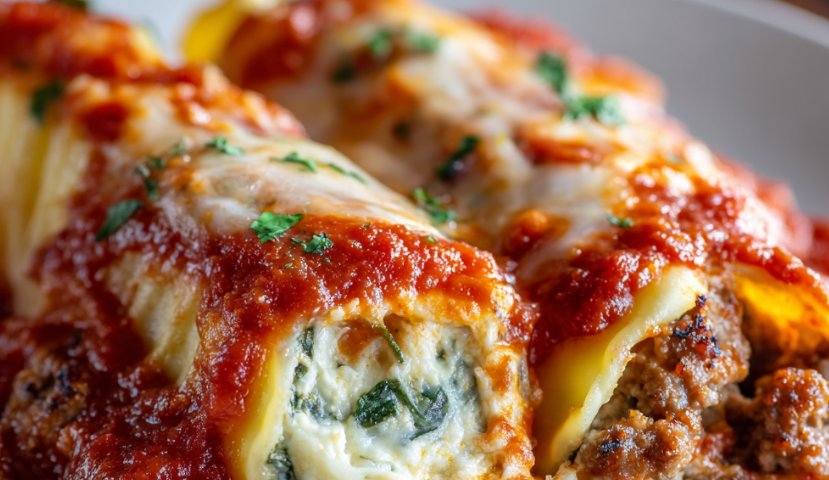
Manicotti is one of those timeless Italian dishes that turns a simple meal into something warm, generous, and deeply comforting. Tender pasta shells cradle a rich mixture of seasoned beef, spinach, and creamy ricotta, creating a filling that feels both hearty and refined.
Layers of velvety white sauce and vibrant red sauce come together in the baking dish, mingling into a symphony of flavors that only grows more inviting as it bubbles and browns.
This is a dish meant to be shared—slowly baked, beautifully layered, and infused with the kind of warmth that brings people to the table and keeps them there.
Why People Will Love This Manicotti Recipe:
It captures the soul of classic Italian comfort, combining tender pasta, rich sauces, and a creamy, savory filling that feels warm and nostalgic.
The layered flavors create a luxurious experience, blending tangy red sauce, velvety white sauce, and the hearty richness of beef, ricotta, and spinach.
Each bite offers a perfect balance of textures, from the delicate pasta shells to the soft, creamy filling and the golden, bubbling cheese on top.
It’s a dish that feels both rustic and elegant, simple enough for a cozy family dinner yet impressive enough for holidays and gatherings.
The aroma alone is irresistible, filling the kitchen with hints of garlic, herbs, butter, and simmering sauces that build anticipation long before the first bite.
It’s deeply satisfying without being heavy, delivering comfort, warmth, and richness in a way that feels indulgent yet balanced.
Sharing it creates a sense of togetherness, as dishes like manicotti invite people to gather, savor, and linger around the table.
Key Ingredients
Ground beef creates the hearty foundation, bringing savory richness that anchors the filling and adds comforting depth to every bite.
Ricotta cheese lends a creamy, delicate softness, binding the filling with a luxurious texture that melts beautifully into the pasta.
Spinach adds an earthy brightness, balancing the richness with freshness and nourishing, vibrant color.
Onions and garlic infuse the dish with aromatic warmth, building layers of flavor that subtly weave through both the filling and the sauces.
Half-and-half, butter, and flour come together to form a velvety white sauce, a silky blanket that enhances the dish with elegance and gentle richness.
Spaghetti sauce and fresh basil provide bright, tangy contrast, bringing acidity, herbaceous notes, and classic Italian soul to the final bake.
Parmesan cheese finishes the dish with a golden, savory crust, offering the perfect touch of sharpness and depth.
Expert Tips:
Let the filling cool fully before adding the eggs. Adding eggs to a warm mixture can cause them to scramble subtly, altering the filling’s smooth, cohesive texture. A cooled mixture ensures a rich, creamy bind.
Parboil the shells only halfway. Undercooked shells are easier to stuff without tearing, and they finish cooking in the oven, absorbing flavor from the sauces as they soften.
Pipe the filling for cleaner, fuller shells. Using a piping bag or a zip-top bag with the corner snipped off helps fill each manicotti evenly, ensuring perfect texture from edge to edge.
Build flavor in layers, not all at once. From sautéing aromatics to gently simmering the white sauce, each step deepens the final flavor. Rushing any layer flattens the overall result.
Season with care and intention. Both sauces and the filling need their own seasoning. Taste at every step—small adjustments create a beautifully balanced dish.
Keep the red and white sauces distinct when layering. Avoid mixing them too early; stacking them cleanly allows each flavor to shine before they naturally mingle during baking.
Rest the baked manicotti before serving. A 10-minute rest helps the sauces thicken, the pasta settle, and the flavors harmonize, making slicing and serving elegant and easy.
Manicotti Recipe
Ingredients
2 tablespoons olive oil
½ cup finely chopped onion
6 cloves garlic, minced
1 pound ground beef
Salt, to taste
1 (10-ounce) package frozen chopped spinach, thawed and well drained
1 (12-ounce) package manicotti shells
2 cups ricotta cheese
2 large eggs, beaten
3 cups spaghetti sauce, divided
2 tablespoons butter
2 tablespoons all-purpose flour
2 tablespoons chicken bouillon granules
2 cups half-and-half
¼ cup chopped fresh parsley
1 tablespoon chopped fresh basil
½ cup grated Parmesan cheese
Instructions
1. Cook the Beef Mixture
Heat the olive oil in a large skillet over medium heat.
Add the chopped onion and sauté until translucent.
Stir in the garlic and cook for 1 minute, just until fragrant.
Add the ground beef and cook until browned and crumbled.
Season lightly with salt, then remove from heat and allow the mixture to cool.
2. Prepare the Spinach and Pasta
Cook the spinach according to package directions and drain well.
Meanwhile, bring a large pot of lightly salted water to a boil.
Add the manicotti shells and parboil them for half of the time listed on the package.
Drain the shells and immediately cover them with cool water to stop the cooking and prevent cracking.
3. Make the Filling and Stuff the Shells
Combine the cooled beef mixture with the cooked spinach and ricotta cheese.
Once the mixture has cooled completely, stir in the beaten eggs.
Spread ¼ cup of spaghetti sauce over the bottom of a 9×13-inch baking dish.
Drain the manicotti shells gently and carefully fill each one with the meat-and-cheese mixture.
Arrange the stuffed shells in the prepared dish.
Cover lightly with plastic wrap or a damp towel to keep them from drying or cracking.
4. Preheat the Oven
Set your oven to 350°F (175°C).
5. Prepare the White Sauce
In a small saucepan, melt the butter over medium heat.
Add the flour and chicken bouillon granules, stirring to form a smooth paste.
Increase the heat to medium-high and cook, stirring constantly, until the mixture begins to bubble.
Slowly pour in the half-and-half, stirring continuously.
Bring the sauce to a gentle boil and cook for 1 minute, stirring the entire time.
Remove from heat and stir in the chopped parsley.
Evenly pour or ladle the white sauce over the stuffed manicotti shells.
6. Add the Red Sauce
Stir the basil into the remaining spaghetti sauce.
Gently spoon or ladle this sauce over the white sauce, doing your best to layer them without mixing the two.
7. Bake the Manicotti
Cover the dish with foil and bake for 40 minutes.
Remove the foil, sprinkle the top with grated Parmesan cheese, and bake uncovered for an additional 10 minutes, or until bubbly and lightly golden.
Important Notes When Making Manicotti Recipe:
Handle the pasta with patience and gentleness. Manicotti shells are delicate when parboiled; treating them carefully prevents cracking and ensures they hold their filling with grace.
Drain the spinach thoroughly. Excess moisture can water down the filling, dulling its richness. Squeezing the spinach dry ensures the mixture stays creamy, structured, and deeply flavorful.
Avoid overstuffing the shells. Filling them too tightly can cause tearing during baking and disrupt the balance of pasta to filling. A moderate, even amount creates harmony in every bite.
Control the heat when making the white sauce. A gentle simmer—not a rapid boil—is essential for achieving a smooth, velvety consistency without scorching or thickening unevenly.
Taste every component before assembling. The filling, red sauce, and white sauce each contribute to the final flavor; seasoning them individually creates a balanced, layered result.
Let the dish rest after baking. This quiet pause allows the sauces to thicken and settle, making the manicotti easier to slice and enhancing the overall depth of flavor.
Use fresh herbs whenever possible. Basil and parsley brighten the richness of the sauces and filling, lifting the dish from heavy to harmonious.
How to Enjoy Manicotti Recipe After Cooking:
Let the manicotti rest before serving.
Once the dish comes out of the oven, allow it to sit for about 10 minutes. This moment of stillness lets the sauces settle and thicken, making each serving neater, richer, and more harmonious.
Use a warm plate to honor the dish.
Heating your plates gently—either in a warm oven or with hot water—helps preserve the creamy texture of the sauces and keeps every bite luxuriously warm from start to finish.
Scoop with purpose, not haste.
Slide the spatula beneath each row, capturing both the red and white sauces along with the filled shells. The drama of the layered sauces is part of the pleasure—don’t leave them behind in the dish.
Appreciate the balance of flavors.
Take a moment to notice the interplay: the savory beef, the gentle sweetness of sautéed onions, the creamy ricotta, the brightness of basil, and the warmth of the baked pasta. Each element is meant to complement the next.
Pair it with something simple and grounding.
A crisp green salad, warm garlic bread, or roasted vegetables bring contrast without overwhelming the rich, layered flavors of the manicotti.
Eat slowly and savor the textures.
Let the tenderness of the pasta, the creaminess of the filling, and the silky blend of sauces unfold on your palate. This is a dish built from layers, and each bite tells part of its story.
Share it with others.
Manicotti is a dish meant to be gathered around—a comforting, generous meal that invites conversation, warmth, and connection at the table.
Nutritional Information:
For one serving of this Manicotti recipe (based on 7 servings)
Calories: 485 kcal | Total Fat: 28.4 g | Saturated Fat: 14.2 g | Monounsaturated Fat: 9.1 g | Polyunsaturated Fat: 1.6 g | Cholesterol: 160 mg | Sodium: 980–1250 mg (depending on sauce and added salt) | Total Carbohydrates: 34.8 g | Dietary Fiber: 3.4 g | Sugars: 7.1 g | Protein: 29.6 g
Frequently Asked Questions:
Can I substitute the ground beef with another protein?
Yes. Ground turkey, chicken, Italian sausage, or even a plant-based meat alternative work well. Each will slightly change the flavor profile but still pair beautifully with the ricotta and sauces.
Can I use fresh spinach instead of frozen?
Absolutely. Simply sauté fresh spinach until wilted, then squeeze out as much moisture as possible. You’ll need roughly 4–5 cups fresh to equal one package of frozen spinach.
Do I need to pre-cook the manicotti shells?
Yes, but only parboil them halfway. Fully boiling makes them too delicate to stuff, while undercooking allows them to finish perfectly in the oven without becoming mushy.
Can this manicotti be made ahead of time?
Yes. You can assemble the entire dish (except the final Parmesan topping), cover it tightly, and refrigerate for up to 24 hours. Add 10–15 minutes to the baking time if baking directly from the fridge.
Why do the red and white sauces need to be layered separately?
Keeping the sauces distinct enhances both presentation and flavor. The white sauce adds creaminess, while the red sauce brings acidity and brightness—layering allows each to shine before naturally blending as they bake.
What is the best way to stuff manicotti shells without breaking them?
Use a small spoon, piping bag, or a zip-top bag with the corner snipped off to gently fill the shells. Ensure the shells have cooled completely after parboiling and keep them slightly wet—this prevents tearing and makes stuffing much easier.
How do I keep the manicotti shells from cracking while assembling the dish?
Parboil only halfway, cool them in cold water, and lightly cover them with a damp towel as you work. Avoid overhandling, and stuff them while they are still pliable but firm enough to hold their shape.
My beef mixture feels too warm—can I add the eggs right away?
No. Always allow the filling to cool completely before adding the beaten eggs. If the mixture is too warm, the eggs can scramble, affecting texture and binding. Speed cooling by spreading the beef mixture on a plate.
How do I prevent the white sauce from becoming lumpy?
Whisk constantly while adding the half-and-half. Add the liquid gradually and maintain medium heat—too much heat or adding all the liquid at once causes lumps. If lumps form, strain the sauce before pouring it over the shells.
Why is it important to bake the dish covered first and then uncovered?
Covering the dish allows the manicotti to steam gently, helping the shells finish cooking while keeping them tender. Uncovering for the final 10 minutes promotes browning, reduces excess moisture, and helps the Parmesan form a golden crust.